
The fabric we let slip away
The reality of fabric waste.
Today in fashion, patterns are rarely designed with fabric efficiency in mind. As a result, 15–20% of fabric is lost during cutting alone, even with advanced nesting algorithms. Only 1% is recycled; the rest is burned or landfilled.
And the problem starts even earlier: to manage production risks and uncertainties, brands often overbuy fabric, adding unnecessary cost and waste before production even begins.
Where every euro goes.
Breakdown of a €100 fabric budget
Example for a typical ready-to-wear brand. Breakdown varies by product.
What do we actually do?
UseUp helps apparel brands reduce fabric waste by not buying it in the first place.
We take into consideration an exhaustive set of design and production constraints, and then algorithmically improve how a garment will be cut and assembled.
The result is a more efficient pattern that stays true to brand identity while reducing waste and avoidable costs.
Our engine explores thousands of pattern variations, converging to optimal versions for the product teams to choose from, scored by cost, ease of assembly, and brand guidelines.
UseUp gives apparel brands the opportunity to be at the intersection of better design and better production.
What it changes, concretely
Less fabric.
Less impact.
By reducing fabric consumption from the pattern-making stage, UseUp cuts resource extraction, water, energy and emissions linked to textile production.
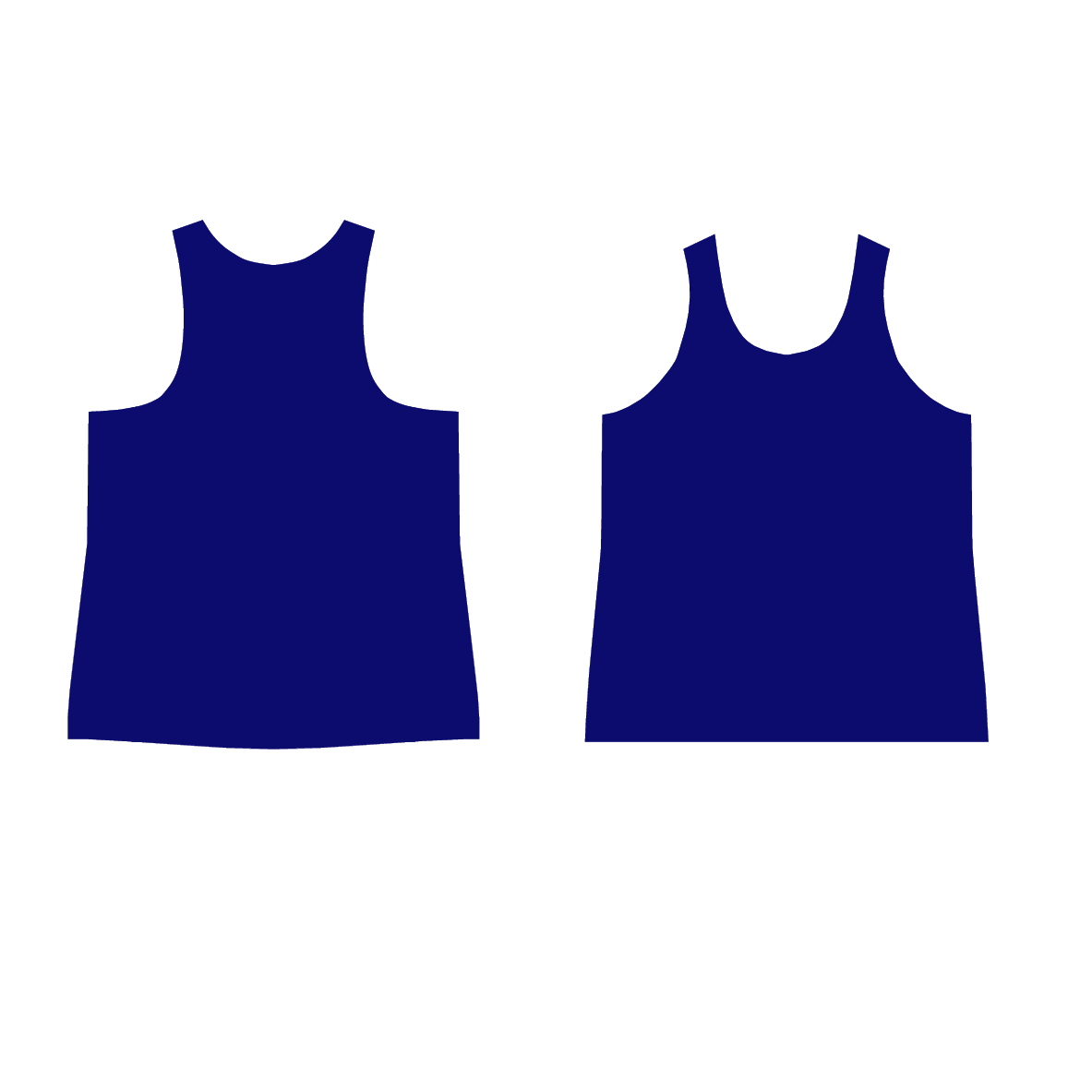

- Waste reduction (m²)
- 0 %
- Efficiency
- 79,35 %
- Material consumption / unit (m²)
- 0,73 m²
- Fabric savings
- 0 €
Estimates based on a reference production run of 10,000 units
What does that represent?
On a collection of 10 000 units, that means saving
of fabric every year.
3 tennis courts
How is it calculated?
courts
Calculation: -9,4 % on a consumption of 0,66 m² per unit × 10 000 units (≈ 686 m², about 3 tennis courts of 261 m²).
Less cost.
More value.
Every saving in production costs means savings that can be reinvested in other eco-design levers.
Parameters
Pattern efficiency points gained: from 82% to 87%.
Estimated net savings
After additional assembly cost
Material freed
1,892 m²
offcuts + variable safety margins
Gross savings
17,031 €
before assembly cost
Savings breakdown
Assembly cost calculated on a fixed basis: 2 seams of 50 cm.
Fabric cost, before / after
Offcut savings only: 15,139 €.Estimate based on the UseUp methodology; actual results vary with your ranges.
Custom estimateLess uncertainty.
More efficiency.
UseUp optimises patterns from the design stage to reduce fabric consumption before any fabric is purchased.
Provide the design
Style intentions and production constraints.
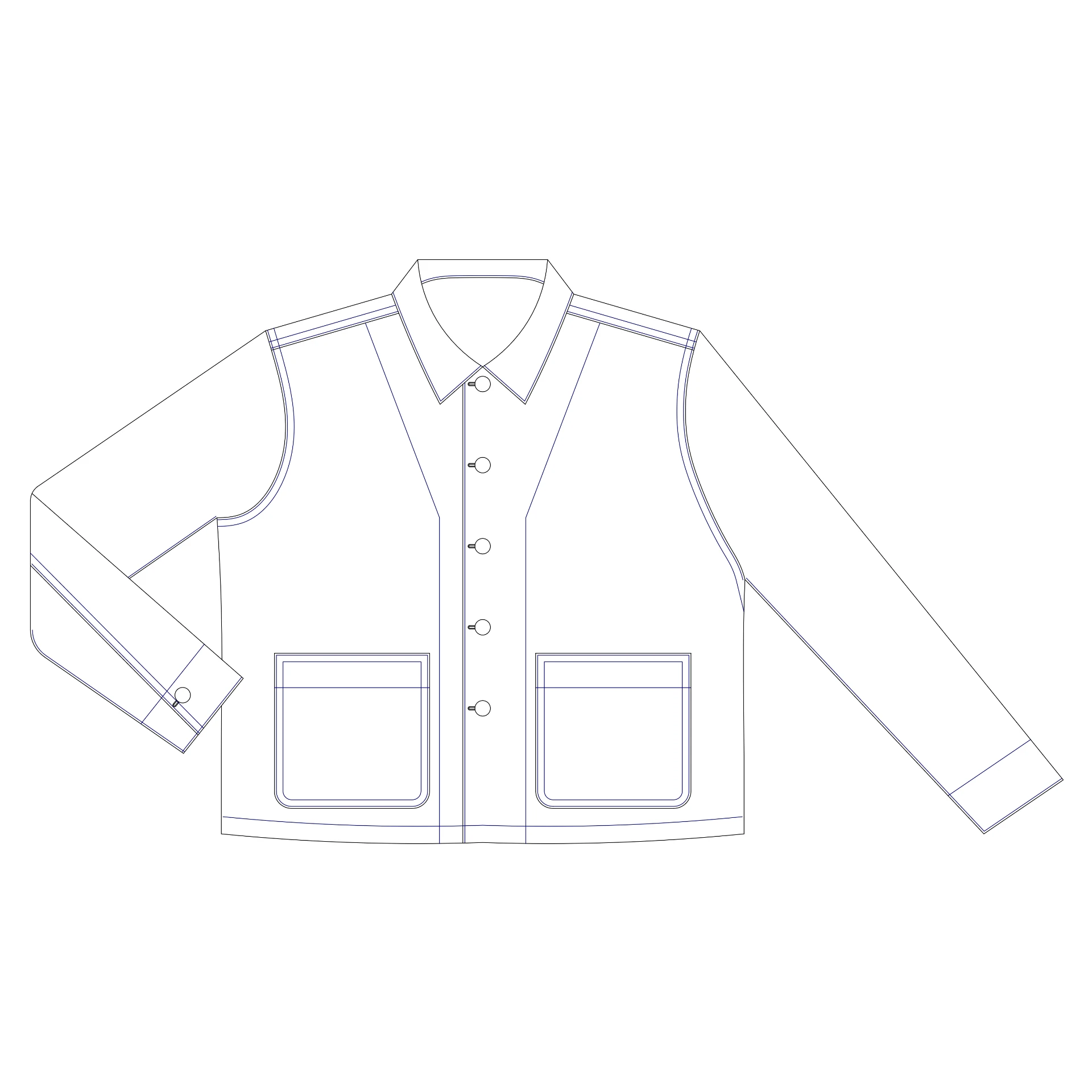
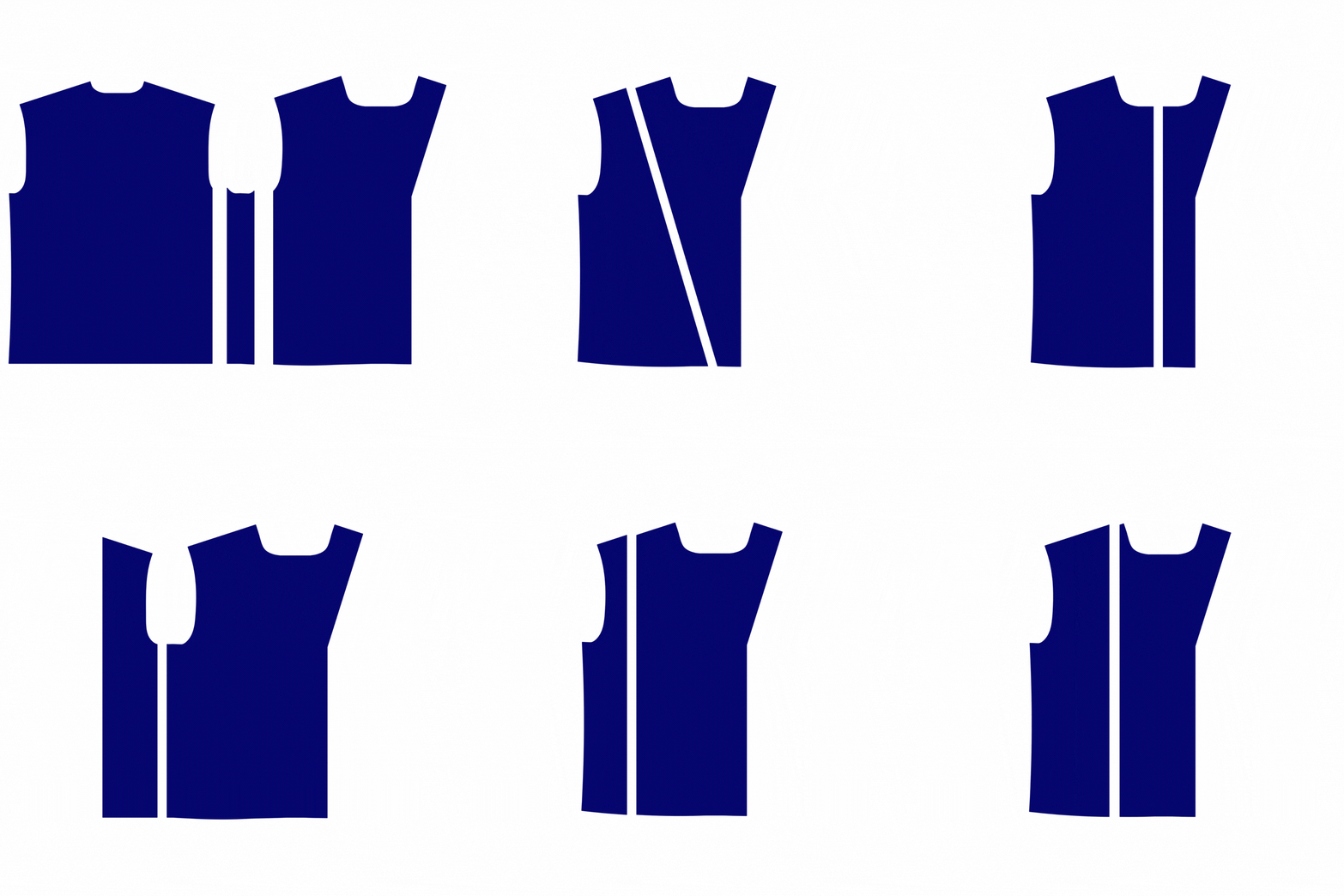
UseUp generates and evaluates
Thousands of optimised pattern versions, following the brief.
You choose
The option with the best design / fabric / production trade-off.
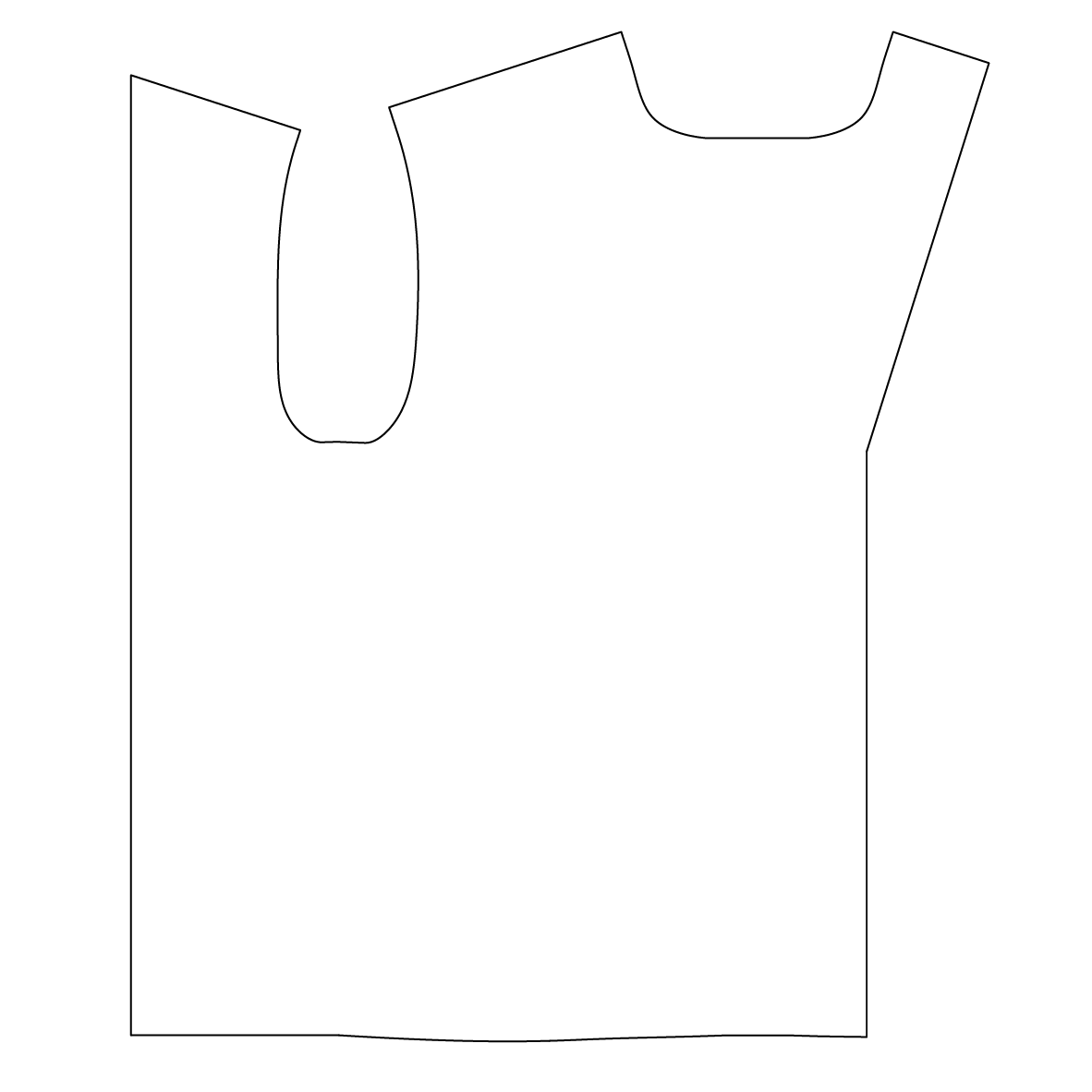
Version A
-6 % fabric
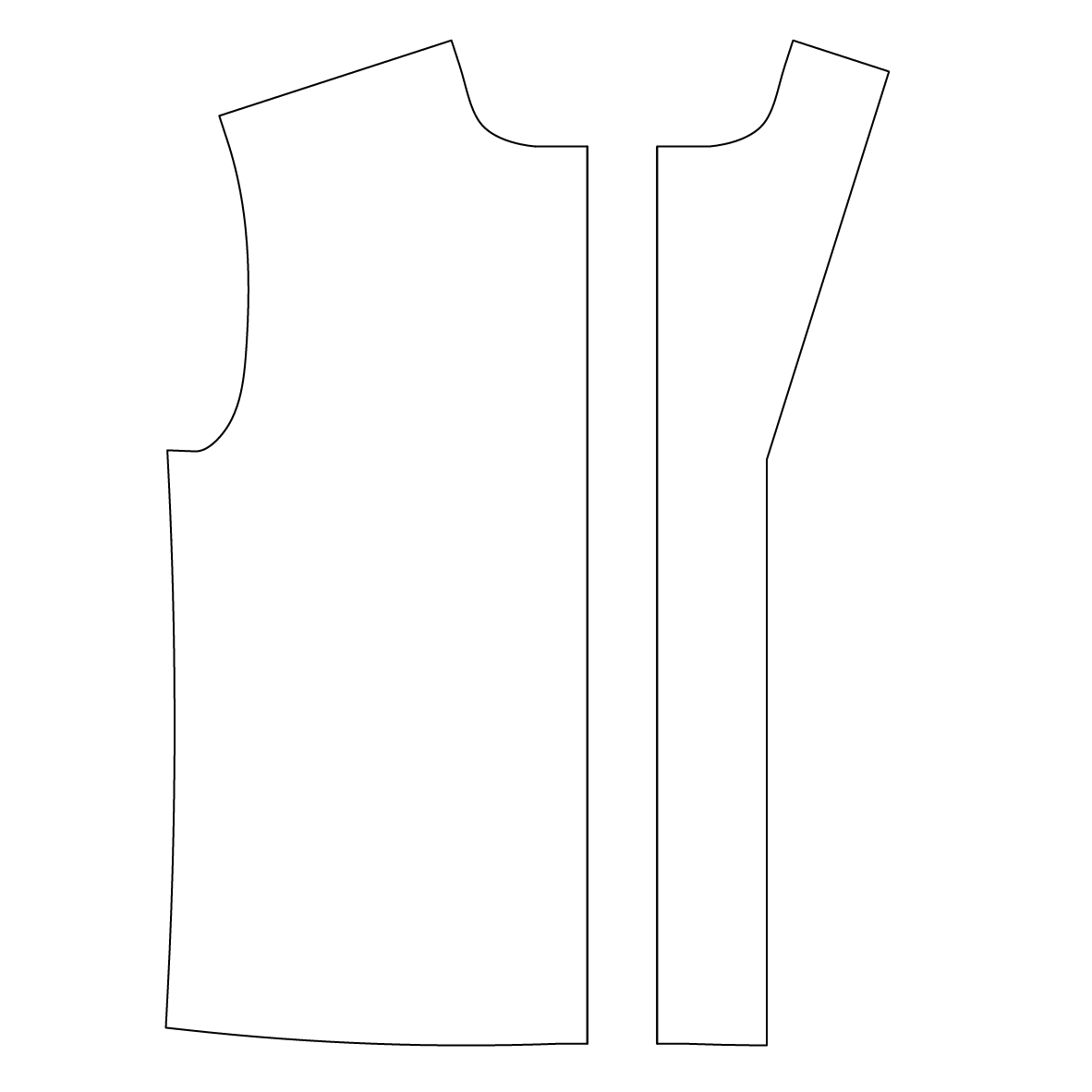
Version B
-12 % fabric
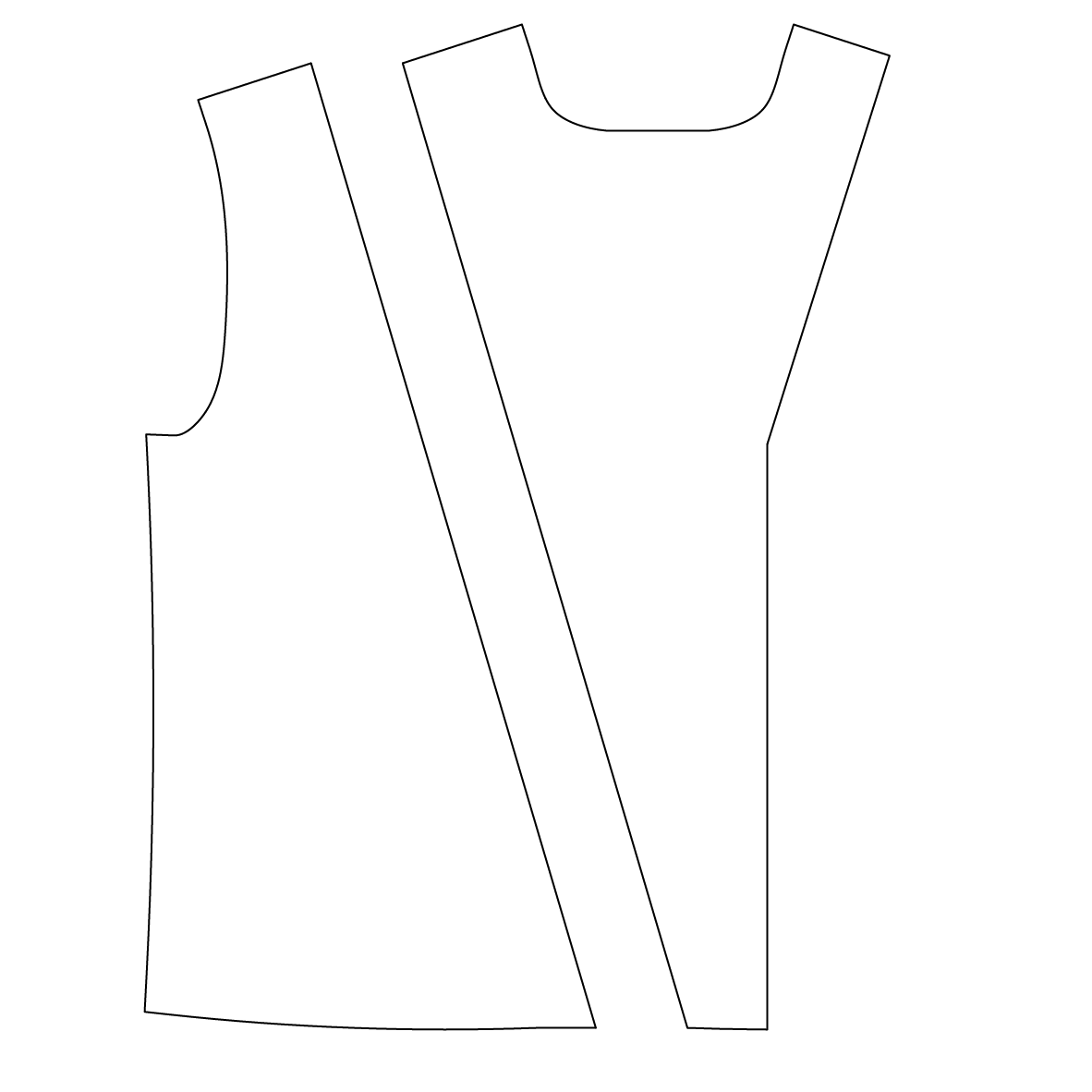
Version C
-15 % fabric
Ready-to-use files
Results are delivered in the formats your teams already use: patterns, markers, reports and 3D visuals.
The best time to act is before fabric is bought.
Better choices. Less fabric. More impact.
Less uncertainty.
Less overstock.
Less waste.
More performance.
Less impact.
More responsibility.